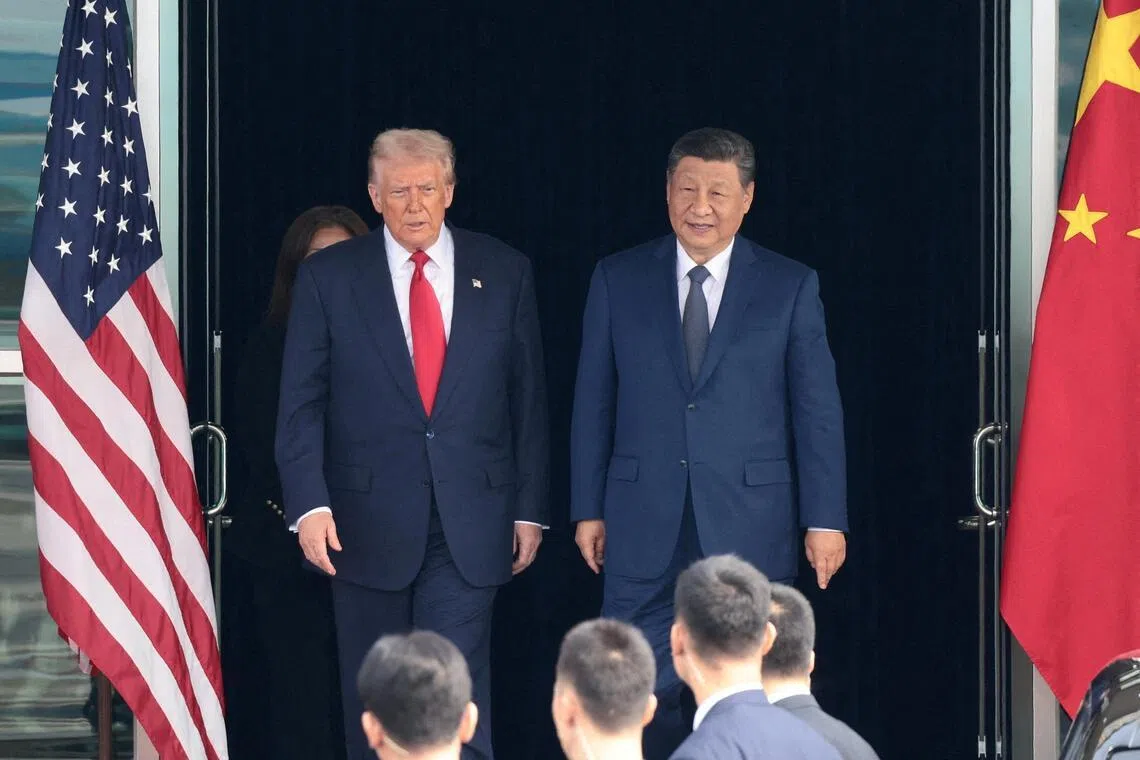
Chinese President Xi Jinping reiterated Beijing's longstanding position on Taiwan during a phone conversation with U.S. President Donald Trump on February 4, 2026, emphasizing that the island is an integral part of China's territory. According to a readout from China's Foreign Ministry, Xi described the Taiwan issue as the most critical matter in Sino-U.S. relations, urging the United States to handle arms sales to Taiwan with caution.
The call, which marked the first direct communication between the two leaders since November of the previous year, covered a range of topics including trade, Russia's actions in Ukraine, and the fentanyl crisis. Xi expressed optimism about steering bilateral relations forward, highlighting the importance of mutual respect and win-win cooperation. He noted that both nations have significant agendas in 2026, with China launching its 15th Five-Year Plan and hosting the APEC Economic Leaders' Meeting, while the U.S. celebrates its 250th independence anniversary and hosts the G20 Summit.
Trump, in response, acknowledged the importance of the U.S.-China relationship and expressed respect for Xi, stating his desire for continued progress in economic and trade ties. He indicated an understanding of China's sensitivities regarding Taiwan and a willingness to maintain dialogue to keep relations stable during his presidency.
Analysts view this exchange as an attempt to reset tones amid ongoing tensions. Beijing's firm stance on Taiwan comes against a backdrop of increased U.S. support for the island, including recent arms packages approved late last year. Xi's comments underscore China's determination to safeguard its sovereignty and territorial integrity, vowing never to allow separation.
The conversation reflects broader geopolitical dynamics, where Taiwan remains a flashpoint. While China claims Taiwan as its own, to be reunified by force if necessary, Taiwan operates as a self-governed democracy rejecting Beijing's assertions. This latest reaffirmation by Xi may signal intensified diplomatic efforts to influence U.S. policy as both nations navigate economic interdependencies and strategic rivalries.