The United States and Russia are closing in on an informal agreement to continue complying with the core limits of the New START nuclear arms control treaty beyond its formal expiration on February 5, 2026. Sources familiar with the talks told Axios that negotiations intensified over the past 24 hours in Abu Dhabi, though the draft plan still requires final approval from Presidents Donald Trump and Vladimir Putin.
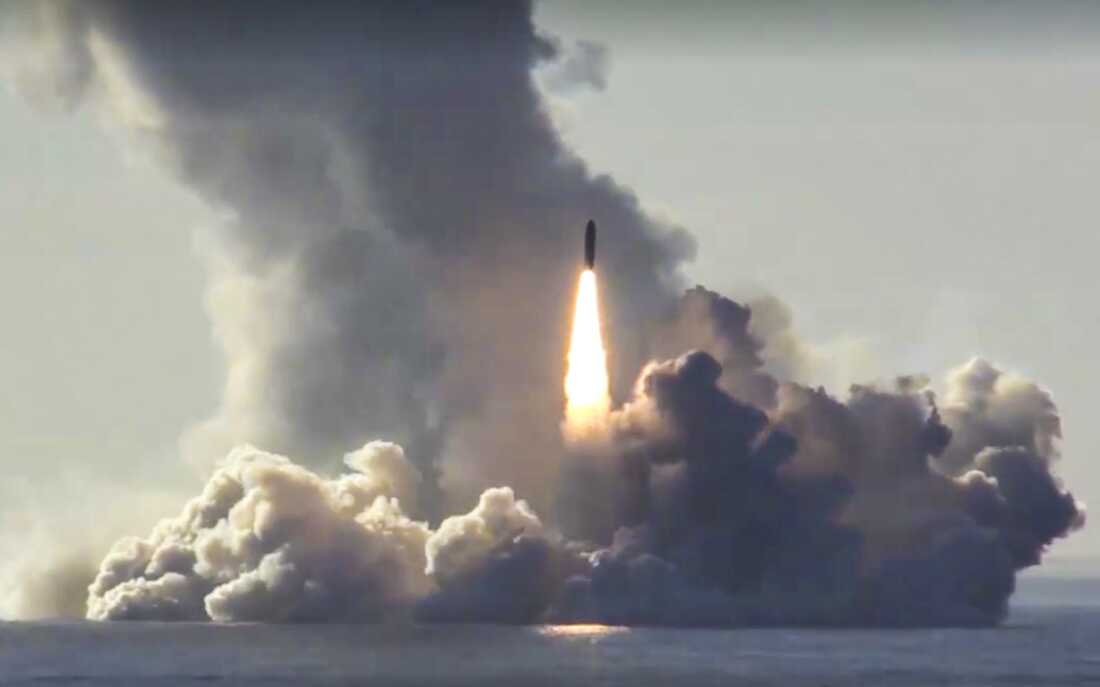
New START, signed in 2010 and extended for five years in 2021, caps deployed strategic nuclear warheads at 1,550 per side and restricts delivery vehicles including ICBMs, submarine-launched missiles, and heavy bombers. It previously included verification through on-site inspections and data exchanges, but these were suspended amid the pandemic and later geopolitical strains from the Ukraine conflict.
Under the emerging understanding, the treaty will expire as scheduled without a legally binding extension, which a U.S. official said is not permissible under current law. Instead, both nations would operate in good faith, adhering to the treaty's key provisions for an interim period of at least six months while engaging in discussions to update or replace the agreement.
The talks involved U.S. envoys including special representative Steve Witkoff and Jared Kushner, who met with Russian counterparts on the sidelines of separate Ukraine negotiations. This handshake-style commitment aims to maintain strategic stability and prevent an immediate escalation in nuclear arsenals amid ongoing modernization efforts by both powers.
The development follows warnings from experts that the treaty's lapse could usher in a new era of heightened nuclear risk, with no bilateral constraints on the world's two largest nuclear stockpiles for the first time in decades. While both sides have largely respected the numerical limits in recent years, the absence of formal verification reduces transparency and raises concerns about potential miscalculations.
If finalized, the arrangement would serve as a bridge to broader negotiations, potentially addressing modern challenges such as advanced delivery systems and third-party nuclear developments. However, its non-binding nature leaves room for future shifts depending on evolving U.S.-Russia relations.