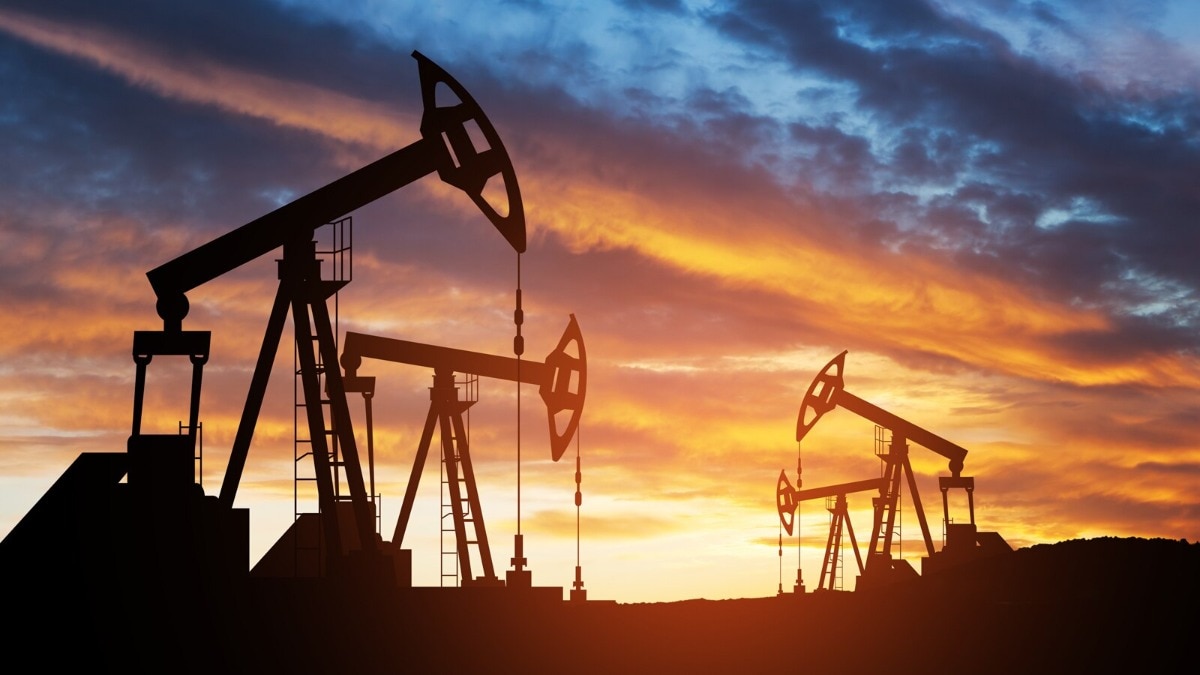
The global economic order experienced a seismic shift this week as India and the United States finalized a landmark trade agreement. Announced by Prime Minister Narendra Modi and U.S. President Donald Trump, the deal significantly lowers tariffs on a wide array of American and Indian goods. In a historic strategic pivot, India has agreed to phase out its reliance on Russian oil imports, a move that aligns New Delhi more closely with Western economic interests and isolates Moscow further from its major energy consumers.
Commerce Minister Piyush Goyal highlighted that the deal meticulously excludes sensitive sectors such as agriculture and dairy to protect domestic interests while opening new avenues for Indian manufacturing and tech exports. The U.S. has responded by lowering tariffs on Indian industrial goods to 18%, with plans to reach zero for specific categories. This breakthrough has already triggered a massive rally in Indian markets, with the Sensex jumping over 3,000 points as investor sentiment reached a fever pitch.
While the deal is celebrated as a "game-changer" by the ruling NDA government, opposition leaders have raised concerns regarding the long-term impact on energy prices and national sovereignty. However, the consensus among global analysts is that this partnership secures IndiaΓÇÖs position as a dominant player in the Indo-Pacific trade corridor and marks a definitive end to the countryΓÇÖs balancing act between Moscow and Washington.